A drain that clogs once is an inconvenience. A drain that clogs every few months is a symptom, and paying to clear it repeatedly is a subscription, not a repair.
Clearing is not diagnosing
A cable auger punches a hole through a blockage and restores flow. That is genuinely useful, and sometimes it is all that is needed. What it cannot tell you is the condition of the pipe it just travelled through.
So when the same line backs up on a predictable cycle, the important question is what the auger is passing through each time. There are only a few realistic answers, and a camera distinguishes between them in minutes.
Cause 1: tree roots
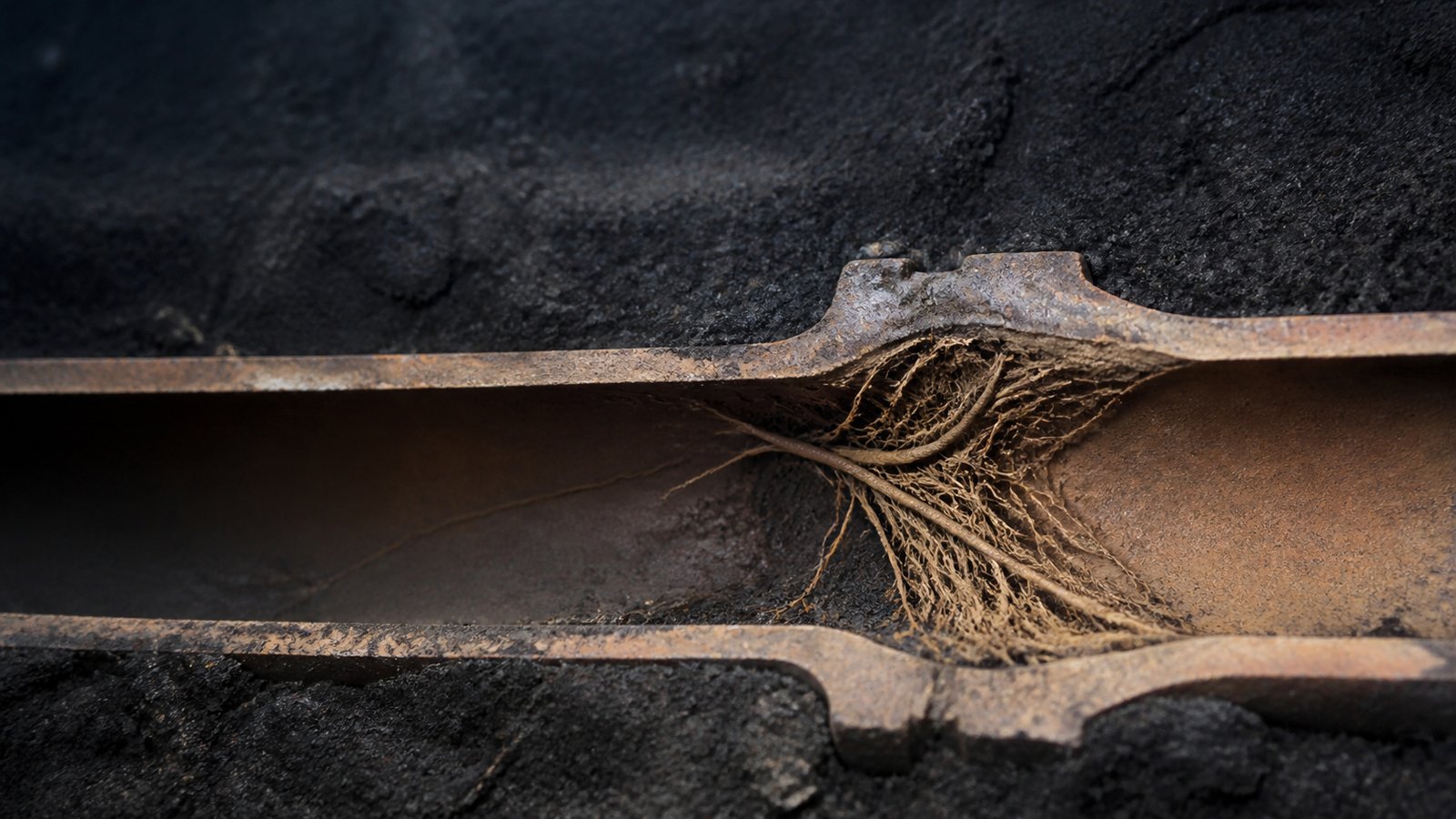
This is the most common recurring cause in established North Jersey neighbourhoods, and the mechanism is simple: sewer lines carry water and nutrients, roots find the smallest gap at a joint or crack, and once inside they thrive.
Roots re-grow. Cutting them restores flow but resets a clock rather than solving anything. Your realistic options are a maintenance schedule (cut them on a planned cycle before they block), a cured-in-place liner that seals the entry points, or excavation and replacement of the affected section.
Streets with mature trees are the giveaway. That canopy in parts of Paramus, Ridgewood and Ramsey is above the same clay laterals the roots are getting into.
Cause 2: a belly in the line
A belly is a low spot where the pipe has lost its pitch, usually from soil settling beneath it. Waste and water pool in the dip instead of flowing through, solids drop out, and the low point gradually silts up.
Snaking clears it temporarily. It will refill, because the dip is still there. The only real fix is excavating and re-laying that section with correct fall — which is why identifying a belly correctly matters so much. It is the one cause that no amount of clearing will ever resolve.
Cause 3: grease
Kitchen lines coat themselves in grease over years. The pipe's effective diameter shrinks until a normal amount of waste bridges it. Cabling bores a channel through that coating; the coating remains.
Hydro jetting is the correct answer here — high-pressure water scours the wall back to full diameter rather than punching a hole. The difference in how long the fix lasts is substantial.
For restaurants and commercial kitchens this is routine maintenance rather than an emergency, and it belongs on a schedule alongside grease trap service.
Cause 4: what is being flushed
Worth ruling out early because it is free. So-called flushable wipes do not break down like toilet paper; they catch on any imperfection and accumulate. Same with paper towels, dental floss and cotton products.
If backups started after a change in household habits, start there before assuming a structural problem.
Cause 5: the pipe material itself
Older properties here commonly have clay or cast iron laterals. Clay joints separate and admit roots. Cast iron scales internally and eventually cracks at the hub. Orangeburg — a tar-impregnated fibre pipe used mid-century — deforms and collapses, and if you have it, replacement is the only real answer.
Knowing which material you have changes the conversation about whether to keep repairing or replace.
What a camera inspection actually gives you
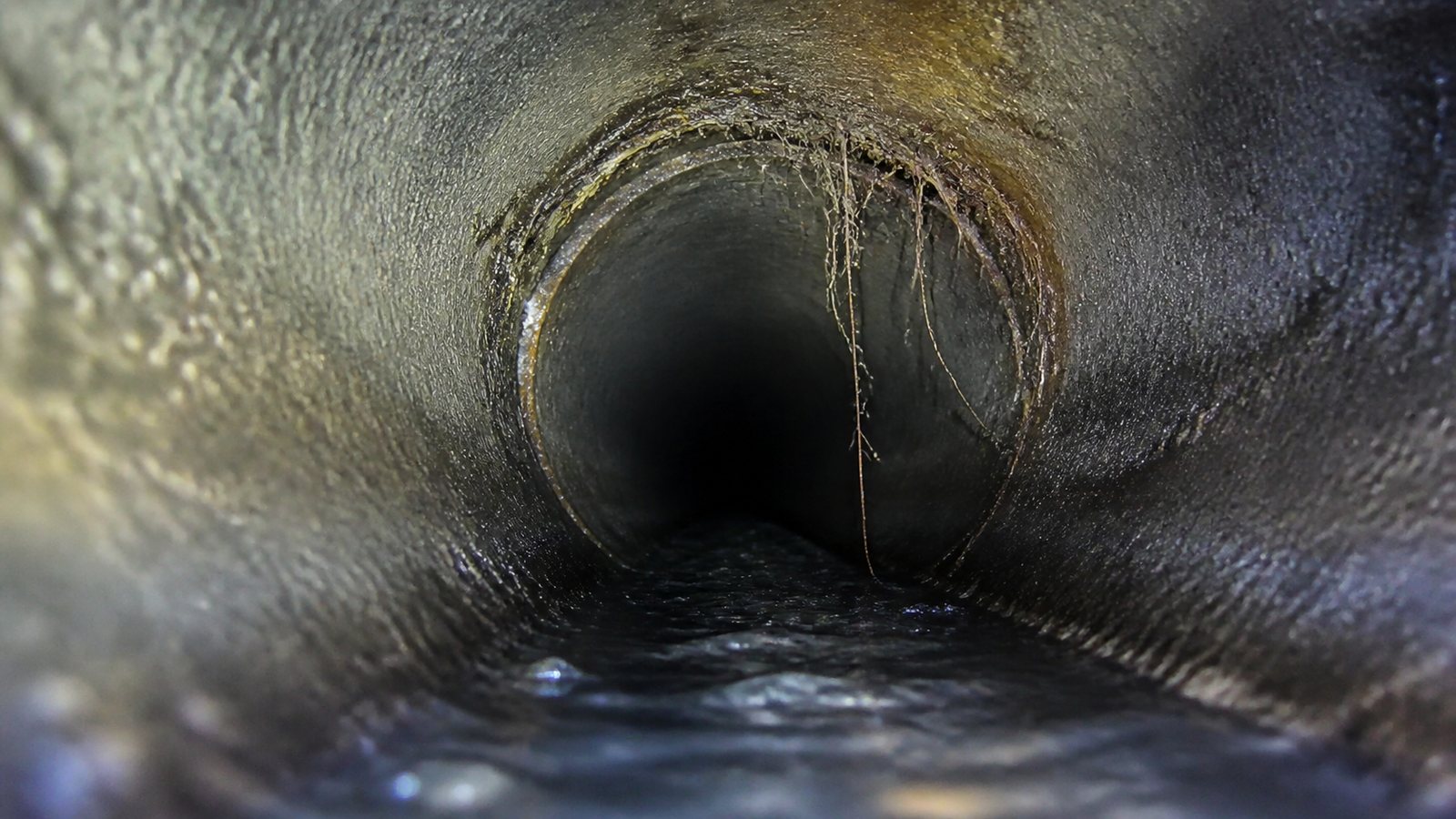
A recorded camera run down the line shows the pipe material, the joints, any root intrusion and where it enters, any bellies and how deep, cracks or offsets, and the depth and location of problem areas for excavation.
That converts the decision from opinion into evidence. We record it and show you the footage — you should be able to see the defect you are being asked to pay to fix. If a contractor recommends a costly sewer replacement without showing you the inside of the pipe, get a second opinion.
Need a hand with this?
We cover all of North Jersey and answer emergency calls 24/7. Call (201) 675-0147 or send us the details.
Last updated April 21, 2026. Written by JM Plumbing, Heating & Cooling LLC, NJ Plumbing Lic. #8706.